



“There’s paradise, and then there’s ‘Dobropark’,” says Igor Dobrutsky, owner of the park near Kyiv, on building a family recreation ecosystem
Купуйте квитки онлайн, щоб уникнути черг на вході.
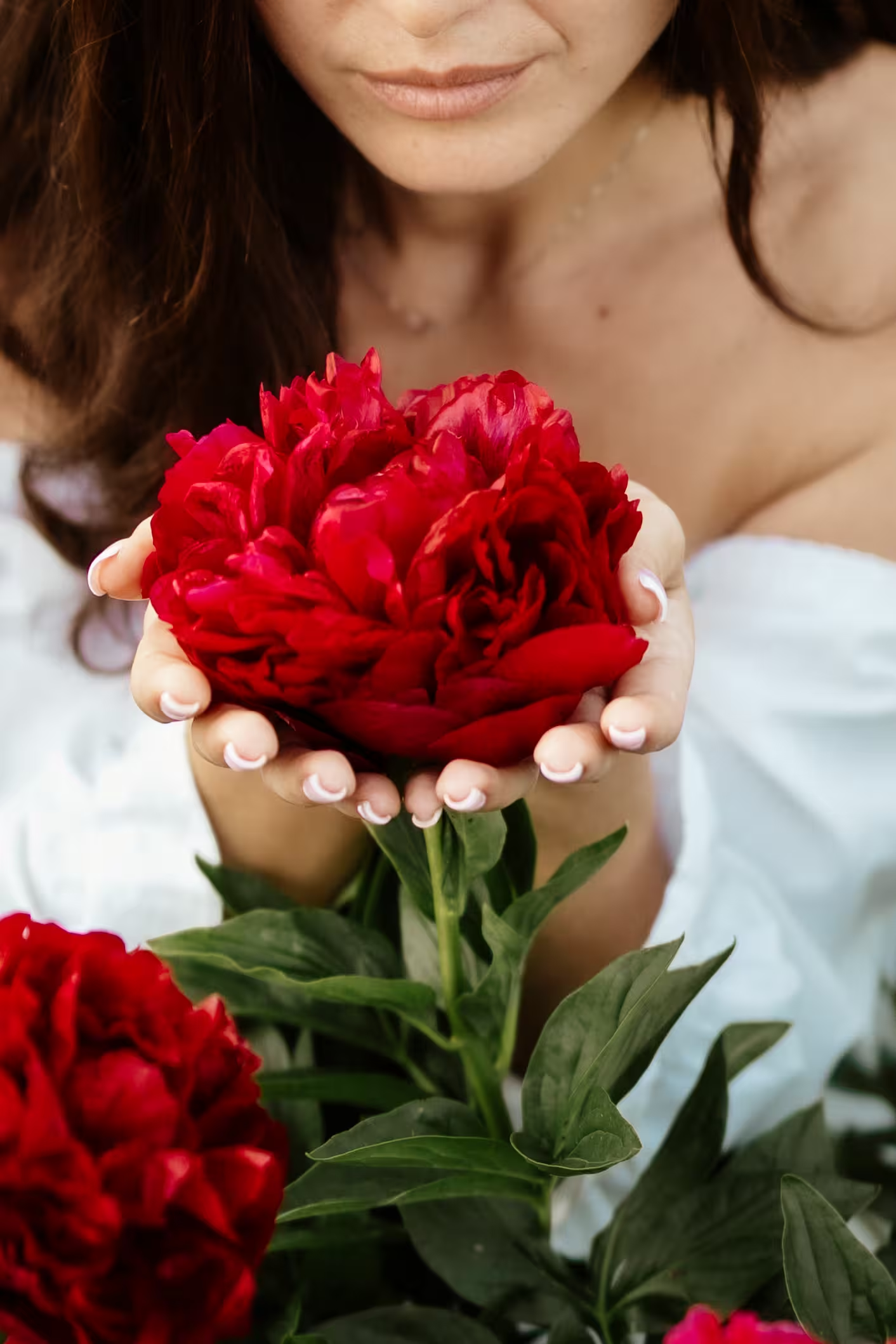
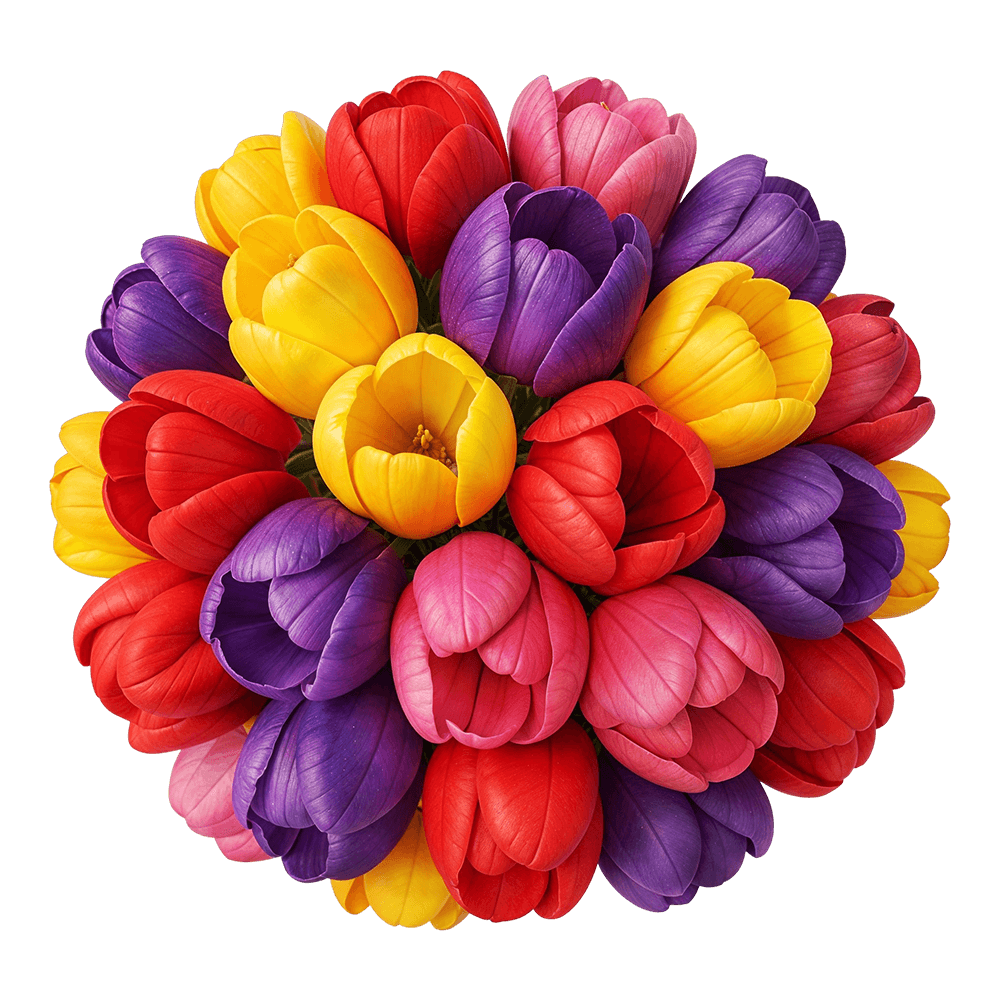
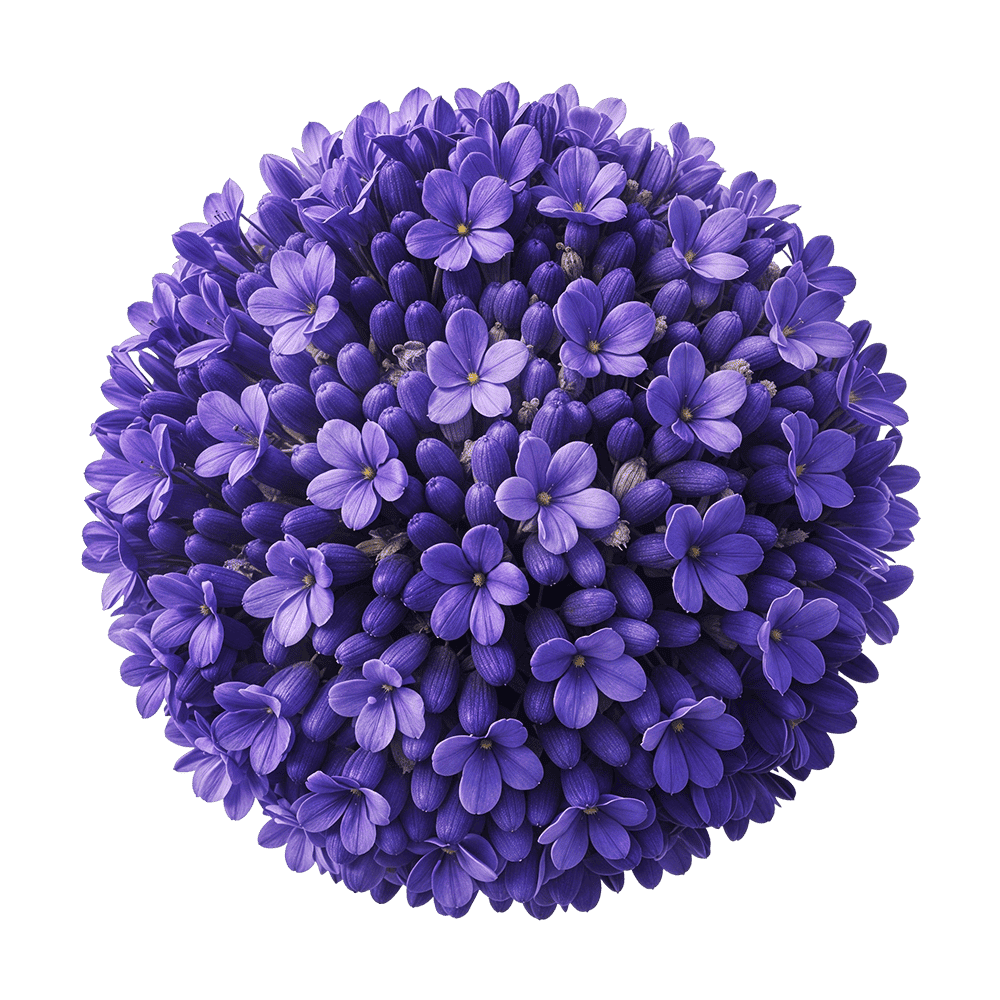
КвиткиA place where millions of tulips spread out in waves of color, hyacinths, daffodils, and grape hyacinths bloom delicately, and cherry blossoms and crabapples transform an ordinary stroll into something truly magical
Six years ago, Dobropark opened near Kyiv. Since then, it has become a favorite destination for hundreds of thousands of Ukrainians—a place for unforgettable experiences and vibrant photo shoots.
Dobropark is Igor Dobrutsky’s life’s work. Today, he is transforming the arboretum into a full-fledged leisure ecosystem—complete with hotels, restaurants, attractions, a swimming pool, and other activities. Igor Dobrutsky invites businesses to join this transformation and become part of a grand vision that has already come to life and continues to flourish.
What are the terms for partners to join the ecosystem? Read on.

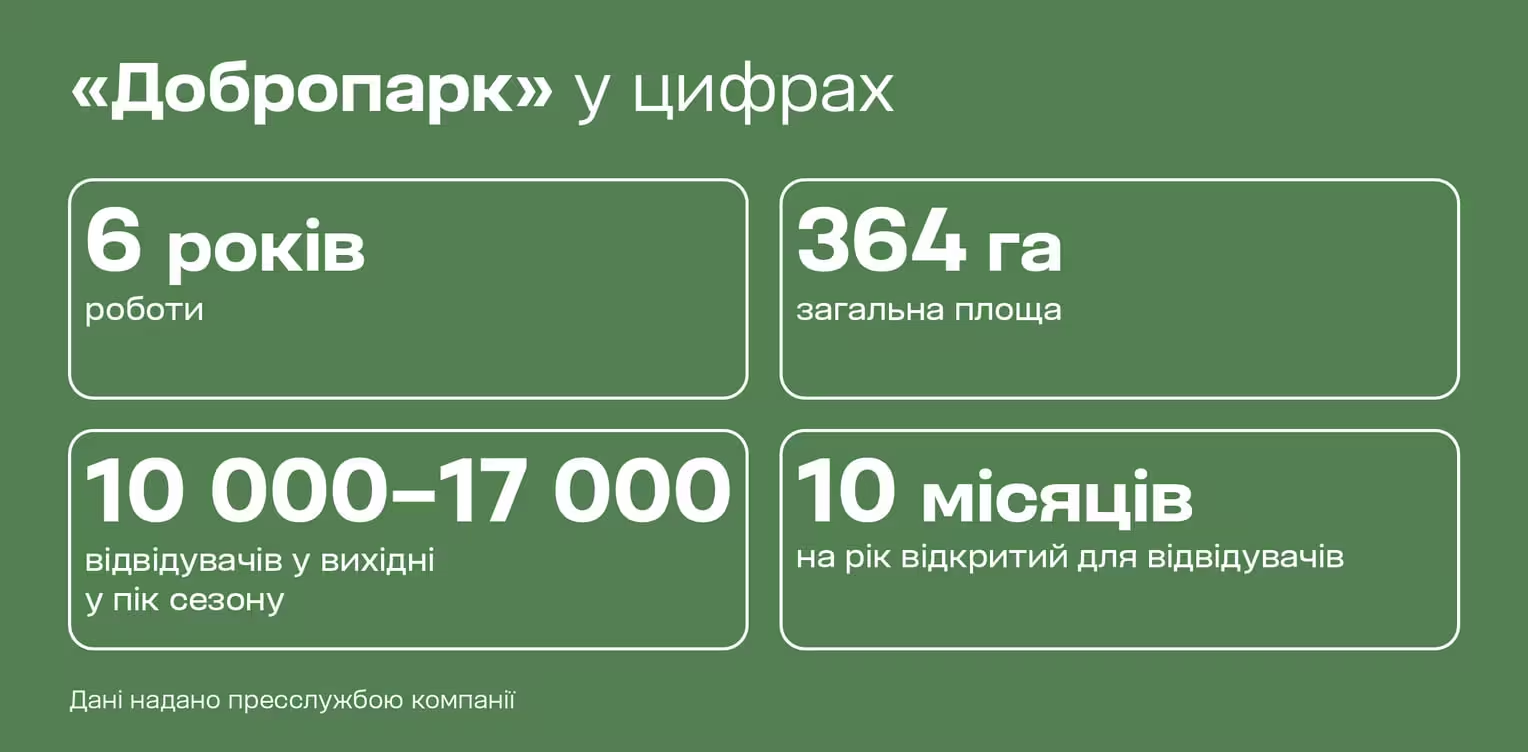
You graduated from the State Institute of Trade and Economics and worked in academia. When did your passion for plants begin?
One day, looking out the window of my office at the institute in Kyiv, I saw an old, neglected greenhouse in the courtyard that, for some reason, caught my attention. I asked the university administration to let me rent it, and soon I grew my first flowers there. That’s how my passion for plants began.
Since then, I’ve been reading professional literature, talking to experts, and traveling to different countries to visit parks and botanical gardens. Later, I founded the company “Roksolana,” which had about 2,700 employees. We didn’t just grow flowers; we also opened the first florist shops in Ukraine.
In addition, I organized florist competitions, conducted courses, invited international instructors, and helped create the first tulip festivals at Spivoche Pole in Kyiv, among other things.

Over time, I had accumulated so much knowledge that I wanted to share it. That’s how the 50-episode TV series *The Good Garden with Igor Dobrutsky* came about, in which I talked about various plant species, and I also published a book on flower arranging titled *The Art of Flowers*.
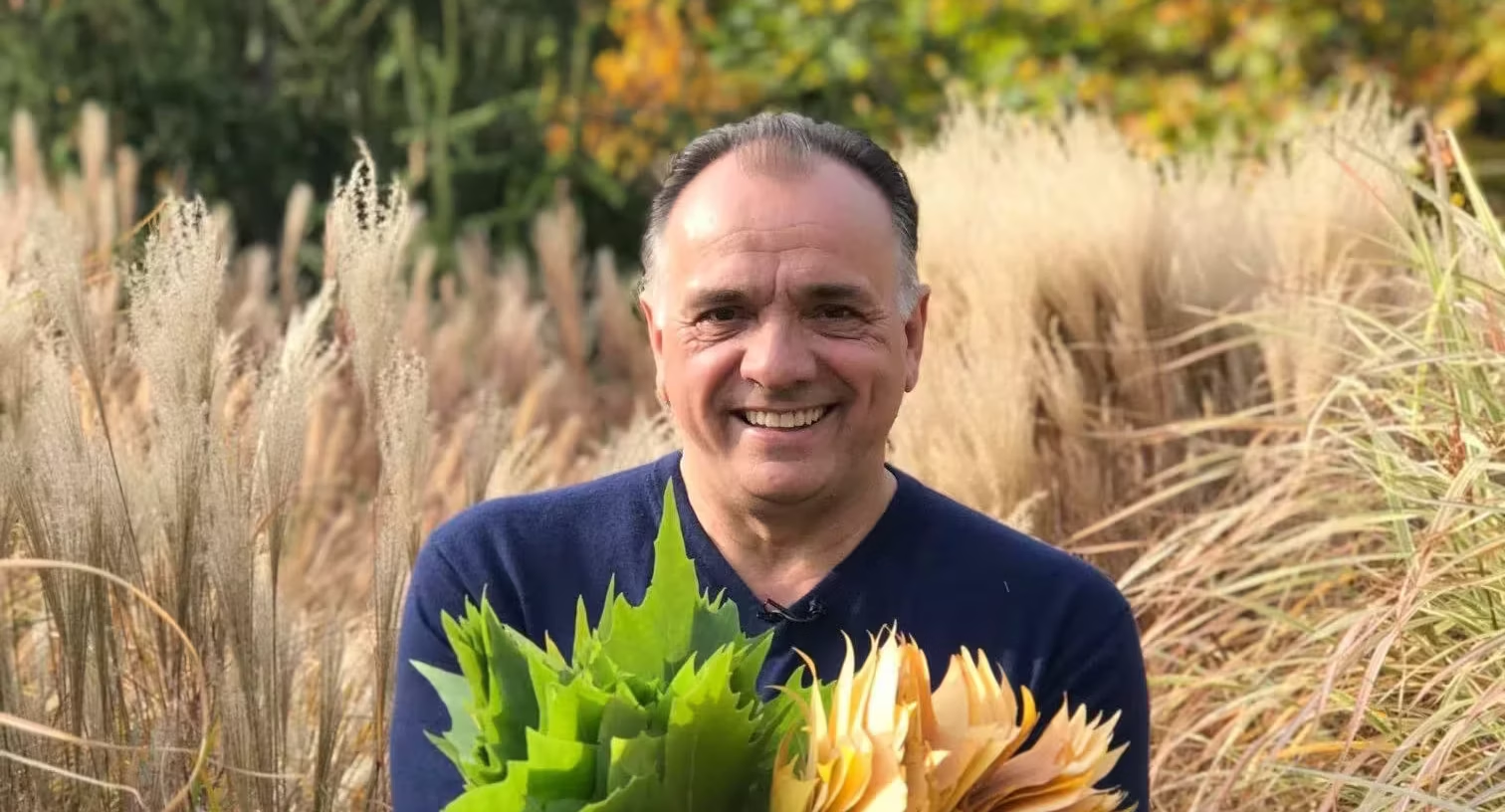
Igor Dobrutsky, founder of Dobropark
How did the idea for the arboretum come about, and how profitable can the park be as a business model?
The projects I’ve been involved in have helped me understand my audience. I’ve seen that people actively engage with high-quality, visually appealing content—but only when it’s time-limited.
Therefore, when creating my own park, I adopted a seasonal model and divided it into thematic segments—tulips, peonies, lilacs, hydrangeas, and so on. Each of these is a separate event and a separate reason to visit the park.
You founded Dobropark in 2020—in the midst of the pandemic. Why then, specifically?
We planted the first flower bulbs in the fall of 2019—and at the time, of course, we couldn’t have predicted that a pandemic would break out six months later. When COVID-19 hit in the spring, the park was closed, and from an economic standpoint, the first season was a failure. But even then, we achieved the main goal—showing people that such a space exists and that it’s worth visiting. We made admission free, and during tulip season, the park welcomed at least 14,000 visitors a day.
The following year, we began testing our business model: first, we introduced a ticket priced at 50 UAH, and later, 100 UAH.
And as early as 2021, they saw their first tangible economic results: at the height of tulip season, the park welcomed between 10,000 and 17,000 visitors on weekends.
Igor Dobrutsky, founder of Dobropark
In addition to selling admission tickets, you also make money by selling plants. How does this model work?
In 2021, we established an in vitro laboratory—a “plant factory” where we propagate crops on a large scale. In addition, we have a nursery covering approximately 20 hectares, where we acclimate and grow plants before transplanting them into open ground, as well as a greenhouse operation.
Thus, we have closed the full production cycle within the company: laboratory – nursery – finishing – field planting. This has allowed us to avoid dependence on imports or external suppliers, and consequently, to significantly save money on plant purchases.
Today, we grow about a million plants every year.
Igor Dobrutsky, founder of Dobropark
This is enough to fully meet the nursery’s needs, build up its stock, and sell any surplus. Of the total volume, we keep about 40% of the plants for our own use and supply approximately 60% to the market.
When did Dobropark start turning a profit as a business venture?
We started turning a profit last year, and we are currently reinvesting about 50% of our profits into the park’s development. We raise and accumulate all these funds on our own, without government assistance. Meanwhile, most of the world’s major parks are funded by the government and also generate revenue from ticket sales.

Are you considering the possibility of involving the government in the project’s financing?
We are open to collaboration, as this involves creating a socially significant space that will serve the community for the long term. When we look at the world’s best parks, we often don’t even know who designed them, but we see the result—a space that endures for decades and improves the quality of life.
That is why we are fully open to communication with government agencies and local authorities. We are considering applying for grants, funding new plantings, preserving collections, and creating unique national projects. For our part, we guarantee complete openness and transparency in the use of funds. As part of our development, we also plan to expand beyond the Kyiv region into other regions and scale up our operations. Of course, such a project would also serve as a showcase abroad.
Who visits the park these days?
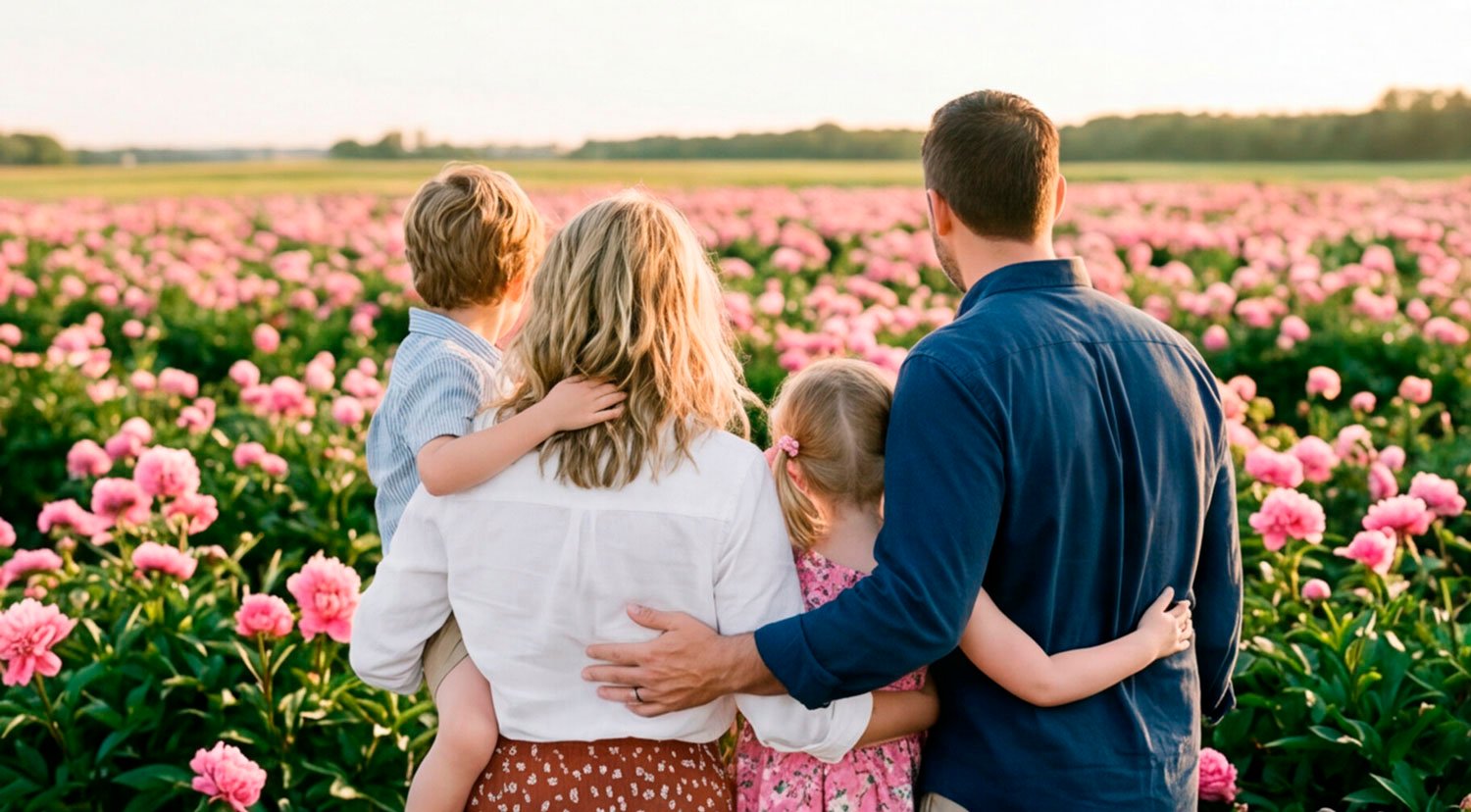
These are primarily families and people seeking a connection with nature. Ukrainians have a need for emotional renewal, and outdoor spaces are beginning to play a key role in this.
In the long term, once the park reaches maturity in 10–15 years, another type of audience will emerge—plant enthusiasts. There is a large global community of people who travel specifically to visit gardens and parks. This segment could add at least 50% to our current visitor numbers.
For example, our collection of miscanthus includes about 140 varieties (while parks usually feature only 10–20 varieties), tulips—about 450, and lilacs—112 varieties. However, despite this uniqueness, it has become clear that the park alone is not enough. A full-fledged ecosystem is needed—services, events, and additional offerings that create a holistic experience for the visitor.

Which partners are you most interested in right now? What types of businesses are you looking to attract?
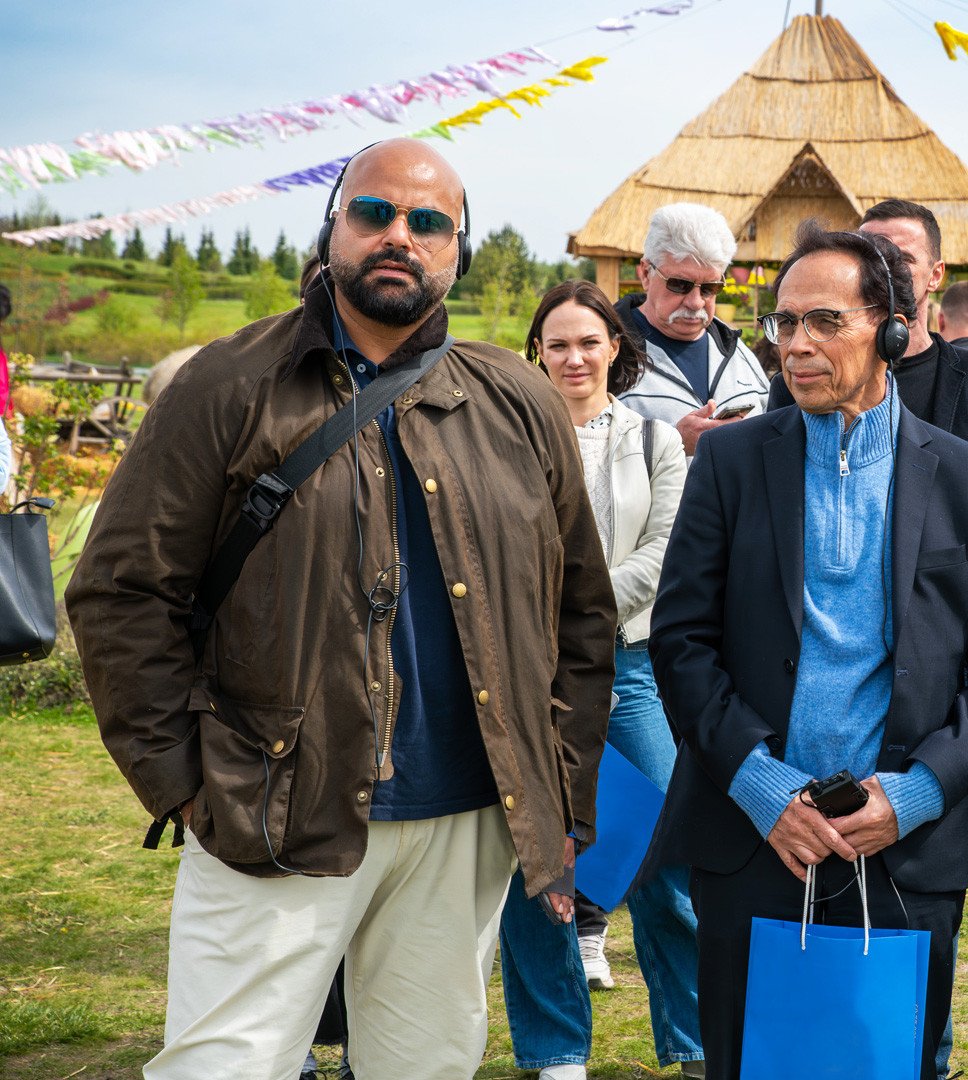
Dobropark covers more than 360 hectares. Of this, approximately 150 hectares are occupied by the arboretum, and we are ready to allocate another 200 hectares for the development of partner projects.
We are open to collaboration with hotel operators and developers, spa centers, restaurant chains, festival and event organizers, operators and investors in glamping, camping, and modular homes, as well as with transportation providers.
Businesses seeking partnerships:
- Hotel facilities: operators of hotels, spas, glamping sites, and campgrounds.
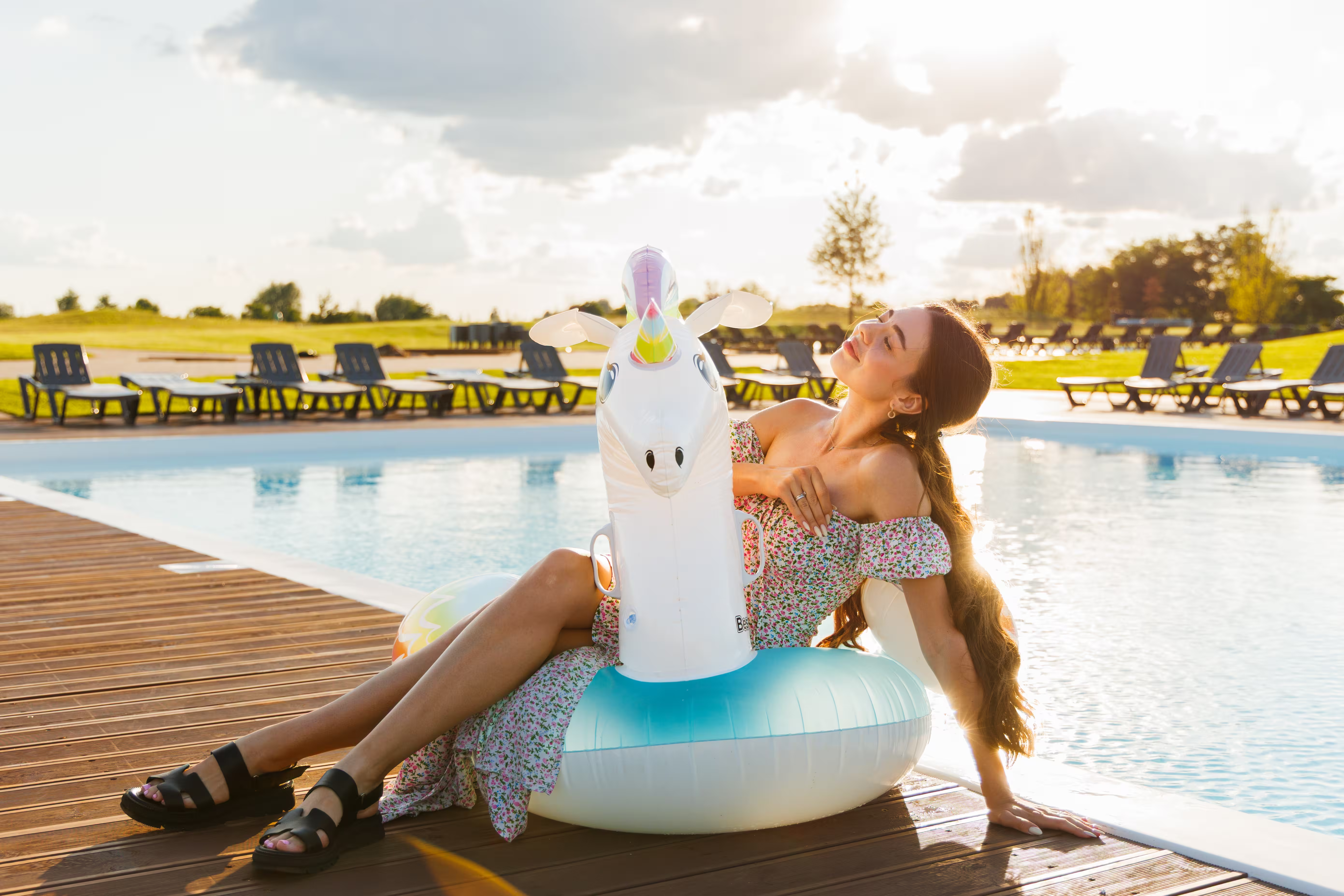
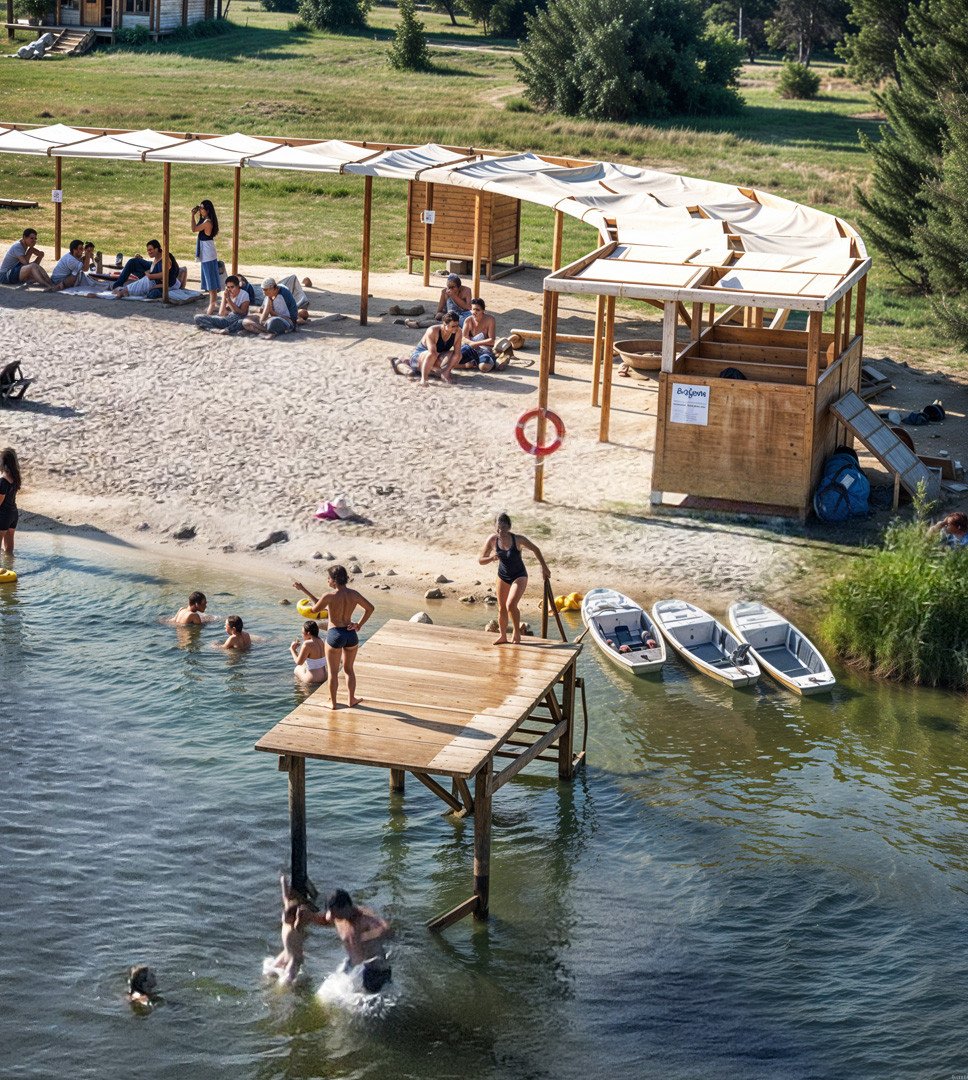
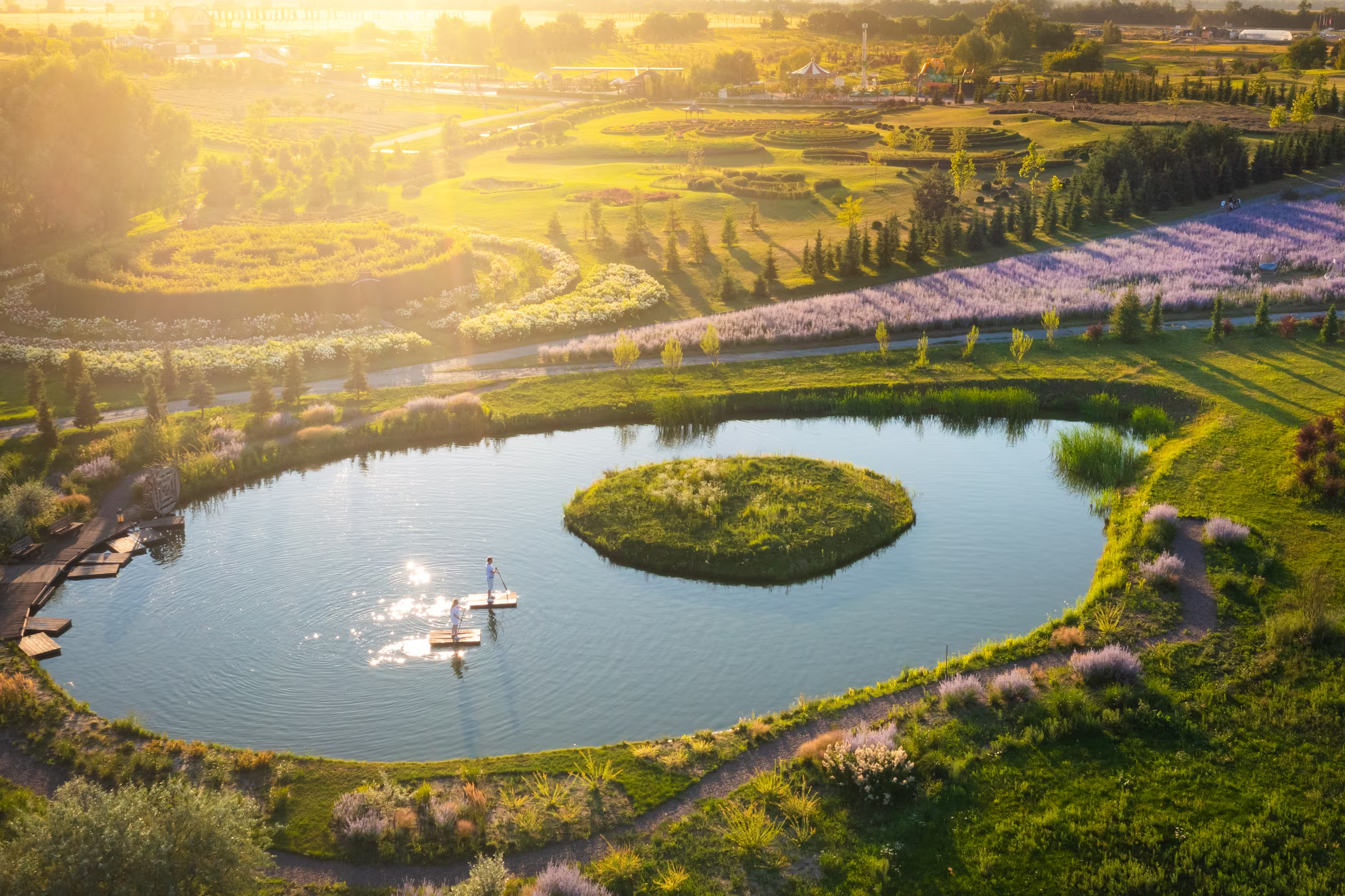
- Water sports facilities: catamaran, SUP board, and water ski rentals; operators of fishing areas.
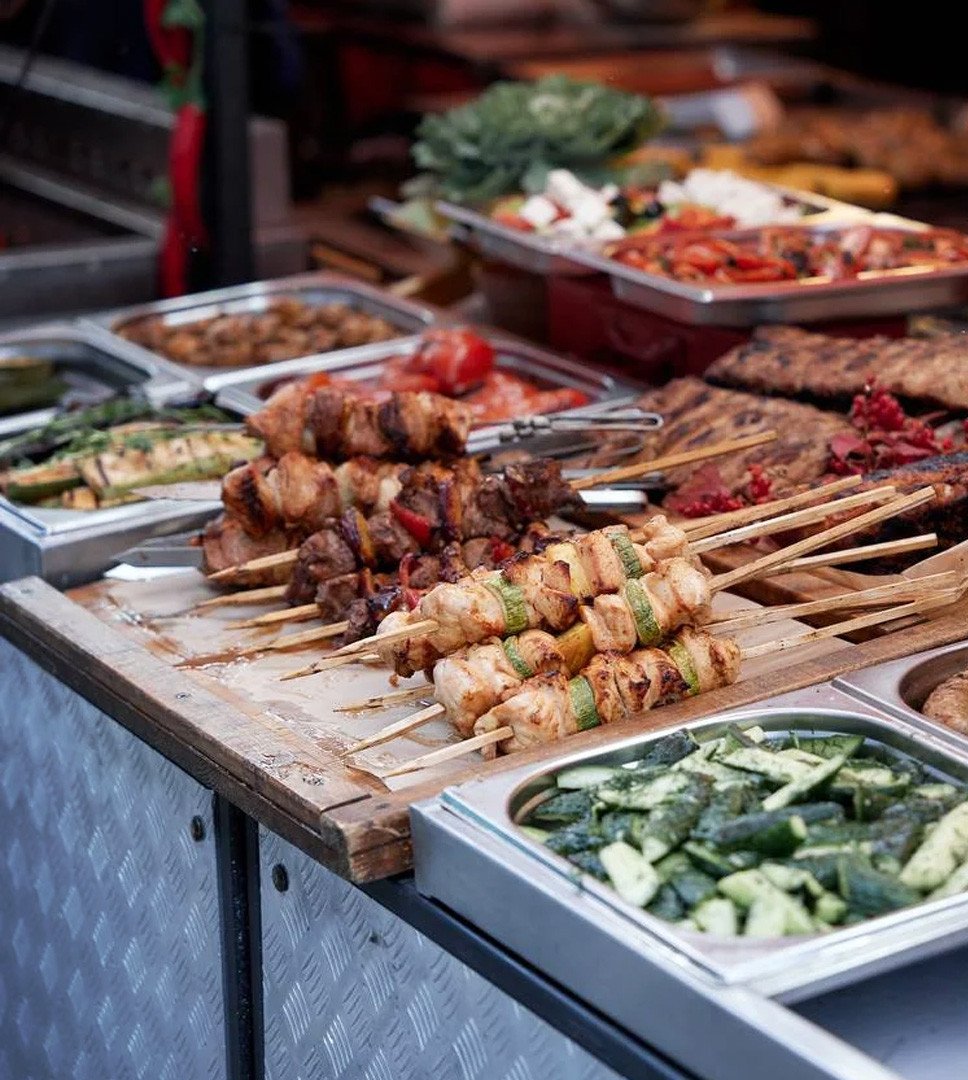
- Food service: owners of restaurant chains and catering companies.
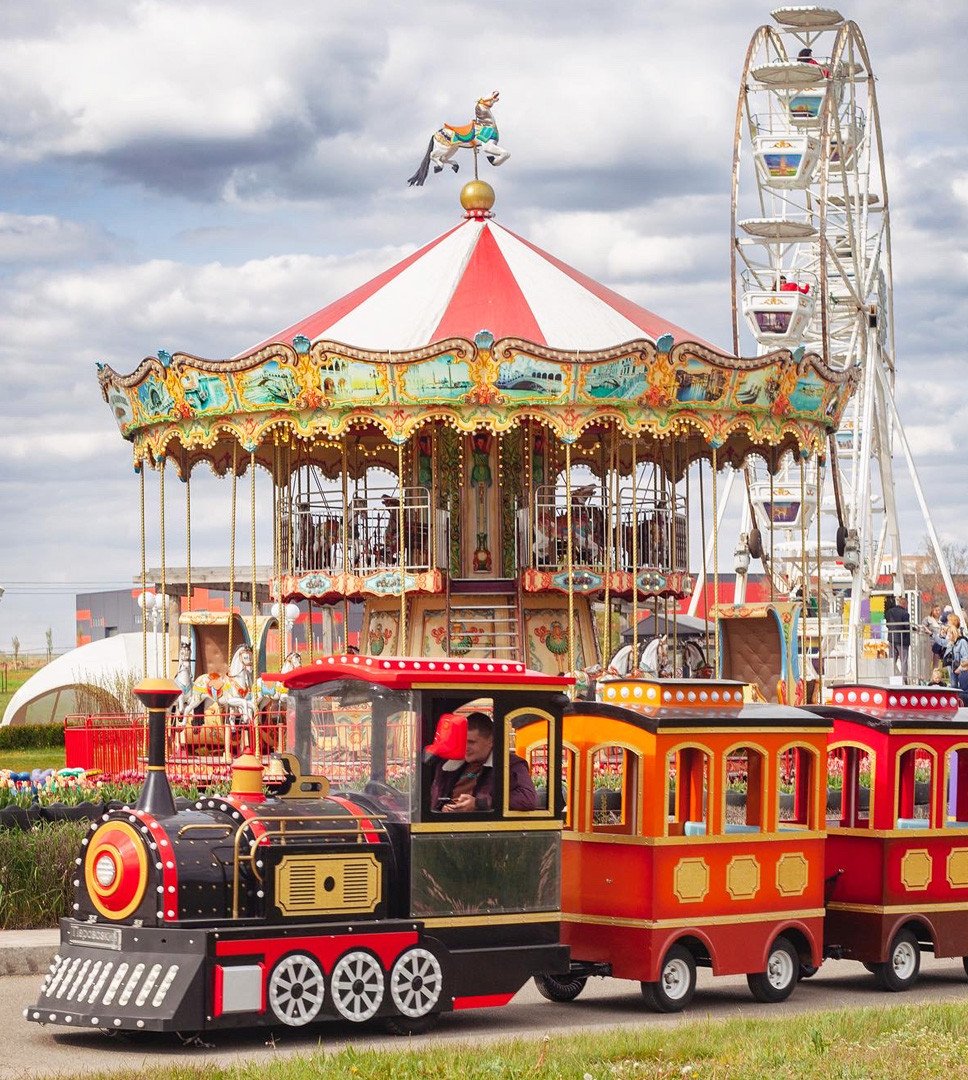
- Entertainment infrastructure: operators of playgrounds and amusement rides.
- Event infrastructure: organizers of concerts and festivals.
- Transportation and accessibility: transportation providers and shuttle services.
What can you offer your partners? What are the advantages of the location?
- First and foremost, it’s about scaling their businesses. After all, Dobropark’s key advantage is its steady foot traffic: up to 15,000 visitors every weekend. And foot traffic directly drives demand. When more services, formats, and points of interaction appear in a single space, demand increases exponentially.
- Second, we have a permanent team and a continuous cycle of development throughout the year. The park is open to visitors 10 months a year, and even when it is closed, we are working on new projects, upgrading our infrastructure, and planning for future seasons.
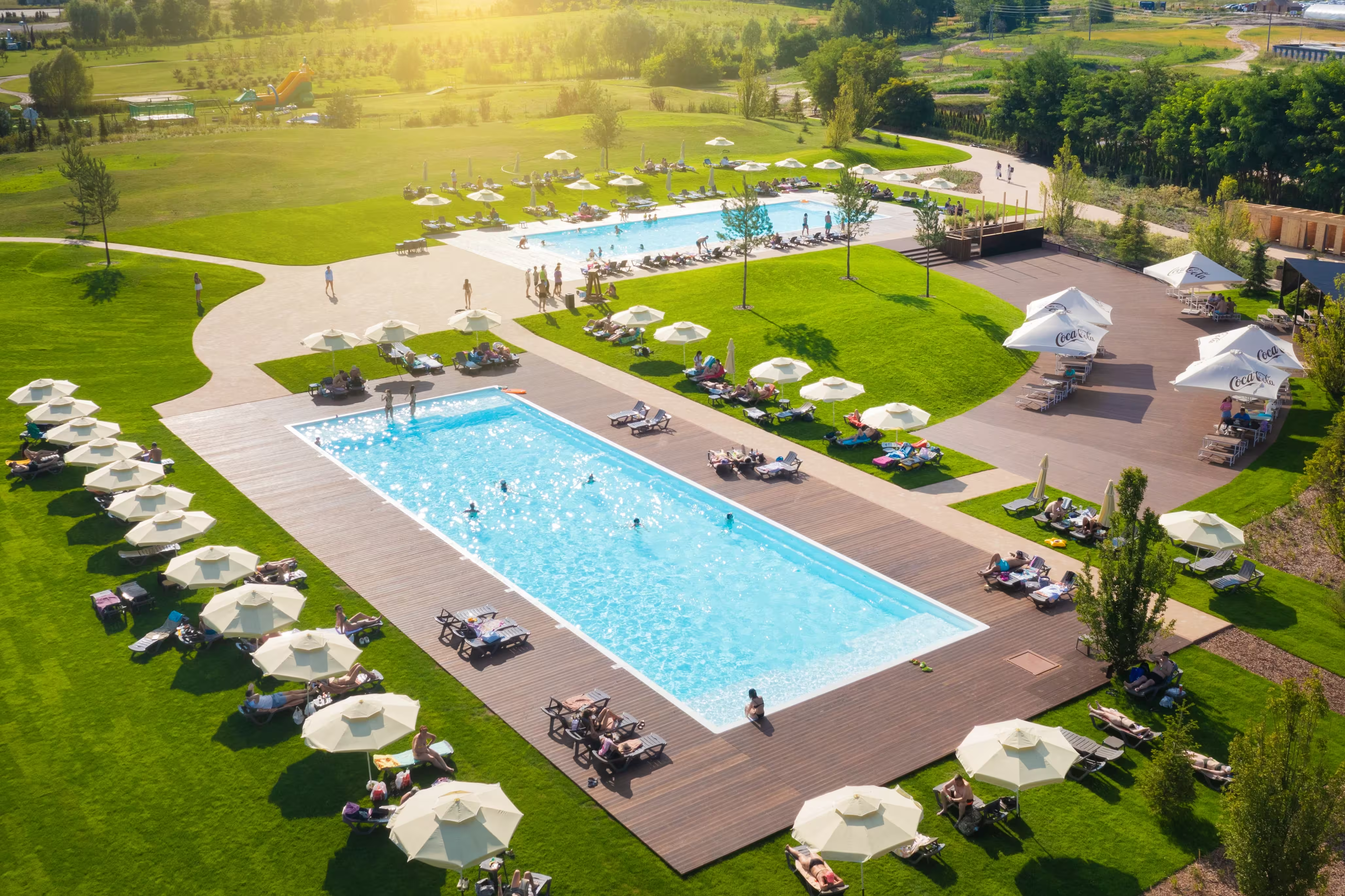
The park changes its theme with the seasons: in spring and fall, it features flower displays; in summer, it offers water areas with lakes and a pool; and in winter, it showcases festive installations, holiday lights, and New Year’s-themed spaces.
We have deliberately invested in year-round offerings to create an experience that draws people here even in winter.
Igor Dobrutsky, founder of Dobropark
All of this creates significant growth potential and sends a clear message to partners: now is the time to get involved in this project. Because as time goes on, competition for such locations and opportunities will only intensify—and you might miss your chance to secure your niche.
What partnership terms do you offer?
There are basic terms for cooperation—for example, a 5–10-year land lease. But we are open to negotiating individually with each partner. Various models are possible—such as a percentage of revenue (10% to 15%) or a percentage of profit, with the exact proportions depending on the partner’s investment in the project. We are currently in negotiations with restaurant chains and food court operators. We give preference to partners with experience and established processes, but at the same time, we are open to new players.
Our overall goal is to create a high-quality, accessible service for our visitors.
Igor Dobrutsky, founder of Dobropark
Are there any special terms for the creative community and partners?
Yes, we want Dobropark to become a platform for creativity. Professional photographers, artists, and music video directors can use the park’s locations free of charge.
We also plan to create intimate concert spaces (for 500–700 people) for events throughout the year: concerts, poetry readings, and exhibitions. These could be glass pavilions or greenhouses that will remain open even in winter.
How does Dobropark differ from similar projects in Europe and Ukraine?
Currently, there is no other example of a single space that combines a full-scale arboretum with a complete family recreation ecosystem. For example, while some family members admire the flowers, others can go fishing on the lake. If there is a small child in the family, they can take them to the amusement area, and in the evening, everyone can gather at a restaurant or food court. And as a logical continuation of the day—they can stay overnight at a hotel or glamping site.
Essentially, we’re creating a model that feels like an “extension of home,” where everyone has their own space and way of relaxing.
Igor Dobrutsky, founder of Dobropark
But all of this takes place within a single ecosystem. It’s a place where families don’t just spend the day—they experience it together, surrounded by nature, comfort, and joy, and they can’t wait to come back. After all, there’s paradise—and then there’s Dobropark.
Forbes BrandVoice


Купуйте квитки онлайн, щоб уникнути черг на вході.
Квитки